
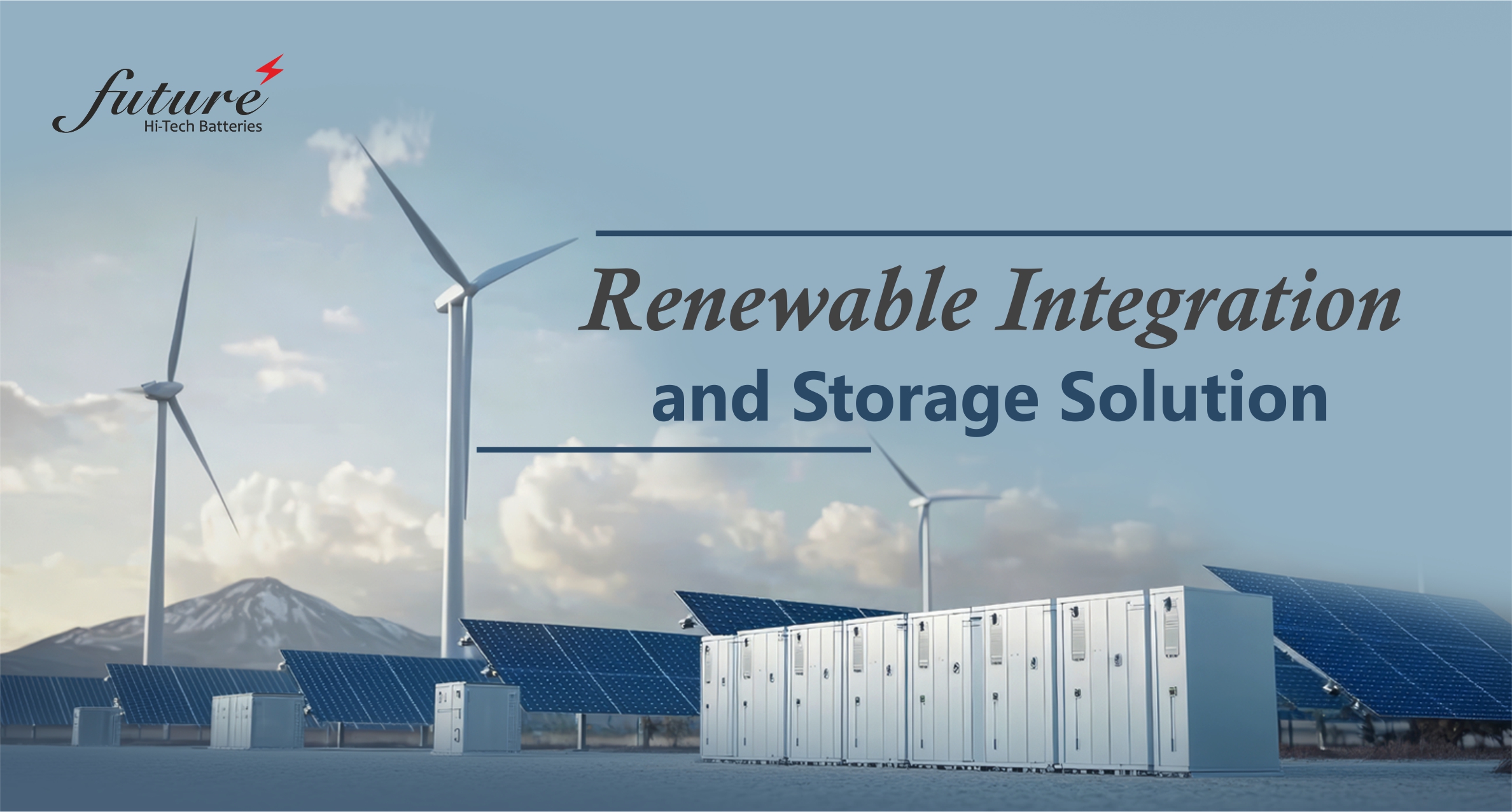
The world energy situation is changing radically. We are also shifting the commuter-based generation of power that is centralized and fossil fuel-based to a cleaner and more sustainable generation by using renewable energy sources that include solar and wind-based power. This is a necessary change that will help fight climate change and guarantee energy security to the future generations. Nevertheless, there are certain obstacles to this change. The intermittency of the most plentiful renewables is in such a way, that it demands still more creative measures to make them the keystone of a reliable power grid. This is where we have the important ideas on renewable integration and energy storage.
Solar panels do not always produce electricity and wind turbines do not always turn only when the sun and wind appear respectively. The nature of these sources is extremely changeable and does not always correspond to times when people need power the most such as evening when everyone comes to home and turns on lights and appliances. This imbalance is a great challenge to grid operators who would always be at crossroads to ensure that the supply and demand do not create blackouts. It entails the rapid loading of large quantities of variable renewable energy (VRE) without any proper balancing factors, causing grid instability and forcing traditional sources of power (usually gas-based) to smoothly increase and decrease in power output, which is inefficient and expensive. Renewable integration is the collection of technology and process enhancements to integrate these changing resources into the current electric grid system.
Making the Grid Smart: Improving Integration- The initial solution to successful integration is the smarter grid
A Smart Grid controls its response to local transformations in usage and generation with the help of a digital communication technology. This enables a two-way communication between the utilities and consumers and enables the forecasting to be better, the flow is optimized and the response to disruptions is faster. The high technologies of forecasting – the satellite and weather models and artificial intelligence (AI) – are increasingly precise when it comes to determining the amount of solar and wind energy that will be produced hours or even days beforehand. Moreover, the infrastructure of modern grids is being updated to have faster controls and more flexible transmission lines to accommodate the power moving in other directions, which is often necessary when the power source is local (such as rooftop solar) rather than just a local power plant. The Demand-Side Management (DSM) or Demand Response (DR) is the other integration solution. This includes the relocation of the time in which people utilize electricity out of peak times. As an illustration, a power company could provide a benefit to clients to have their vehicles with electric power (EVs) charged or dishwashers left on during the late hours when the supply of renewable energy may be higher than demand. This will make the demand curve flatter and therefore VRE will find it easier to satisfy the demanded load without using storage or backup generators.
The Irreplaceable Nature of Energy Storage
Although smart grids and demand management are beneficial, they cannot do it all. In order to be running a grid dominated by renewables, we must store the surplus power we have produced when the sun is shining, or the wind blowing, and then use it when the sun goes down or the wind stops.
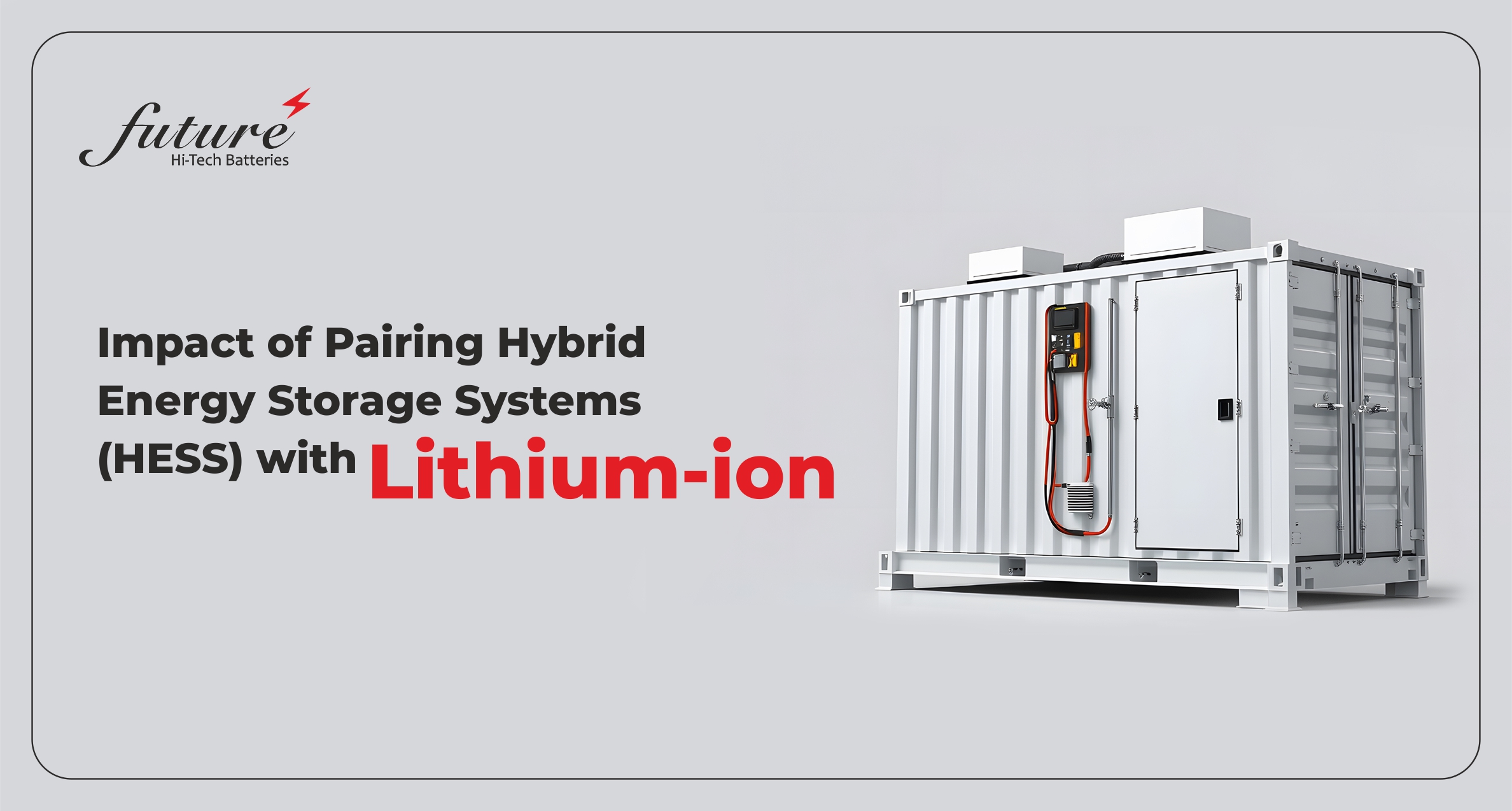
1. Fluorescence Stokes Effect (FSE): The lithium-ion battery storage system is the most identifiable and fast evolving storage system. These massive facilities are capable of storing megawatts of electricity and releasing it in a few milliseconds just like the batteries in a smartphone or electric car. They are essential in giving the grid some temporary stability, acting within a short period of time to an abrupt reduction in wind or solar power. BESS is becoming a practical alternative to utilities and commercial customers as the costs are declining and the efficiency is growing.
2. Pumped Hydro Storage (PHS): The most common type of grid-scale energy storage in the world today is pumped hydro. It operates through surplus electricity to expel water in a lower reservoir to an upper one. The water is then released when power is required and it runs down the hill passing through a turbine to produce electricity; this is more or less a huge, rechargeable battery. PHS is also very reliable but geographically restricted to regions having a good topography and water supply.
3. Storage Thermal and Mechanical: There are other new solutions that are being developed. In thermal energy storage, equipment is prepared by heating materials such as molten salt when excess power is generated to then use the heat to produce steam and be used to drive a turbine in the future. Compressed Air Energy Storage (CAES) involves the use of the surplus electricity to compress air and store it in underground caverns; at the point of demand, the compressed air is discharged through a turbine. These approaches provide various trade-offs with regard to cost, storage time, and scalability.
Research and development should also be facilitated by policy and investment in next-generation storage, including green hydrogen, which has the ability to store energy over long periods, and facilitated the permitting and introduction of technologies that are already proven and tested. With such innovative solutions in place, we will be able to overcome the issues of intermittency and create an electrical infrastructure that will be clean and reliable.
Follow us on LinkedIn.


Your Comment Please