
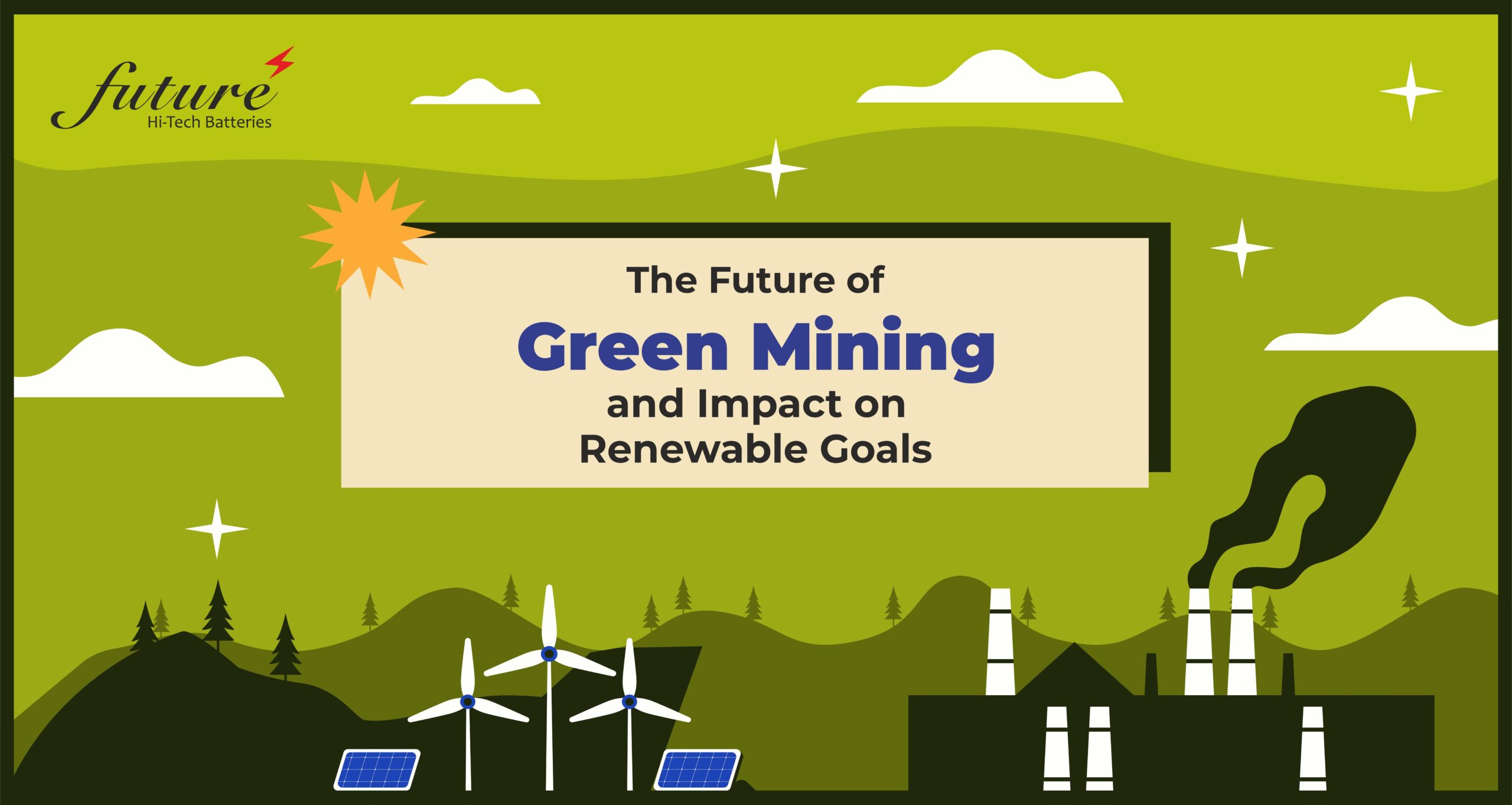
It is a fact that to stop drilling for oil and burning coal, and to truly “go green”,we have to engage in mining. It is one of the oldest, grittiest, and most environmentally taxing industries on the planet that can actually help with sustainable energy goals.
There is a massive amount of copper, lithium, and nickel in the things you use everyday. The electric vehicle in your driveway, a solar array on your roof, even the smart phone you’re likely holding right now, has all these metals. We are moving from a world run on “fuel” to a world run on “stuff.” And getting that stuff out of the earth has traditionally been a dirty business.
Things are changing for sustainable energy goals
The “Future of Green Mining” isn’t just a corporate PR spin. It’s a survival strategy for the planet. The global transition toward a low-carbon economy is often framed as a shift from “fuel-intensive” to “material-intensive” energy. While we are moving away from coal, oil, and gas, our hunger for the earth’s crust has never been greater. To build a single electric vehicle (EV) battery or a utility-scale wind turbine, we require a cocktail of minerals. The sustainable energy goals require lithium, cobalt, copper, nickel, and other rare earth elements.
The irony is that to save the planet, we must dig it up. The supply chain for these minerals is currently the single greatest bottleneck in the race against climate change.
The “Material” Truth
We often talk about the energy transition as if it is a magic. Moreover, it is as if wind and sun just turn into electricity. In reality, a wind turbine is a giant skyscraper of steel, copper, and rare earth magnets. An EV battery is essentially a heavy brick of minerals.
The IEA suggests that we’re going to need six times more mineral wealth by 2040 than we use today to hit our climate goals. That is a staggering amount of earth to move. If we do it the old way by using diesel-chugging trucks and leaving behind toxic ponds of waste, we might destroy the local environment just to save the global climate. That’s a trade-off that nobody wants.
Sustainable Energy Integration
Leading mining sites are increasingly “off-grid” in terms of fossil fuels. By installing massive on-site solar farms and wind turbines, mines can power their crushing, grinding, and smelting processes with clean energy.
What Does “Green” Mining Actually Look Like?
It’s easy to be cynical and call it “greenwashing,” but the shift happening on the ground is actually pretty cool. It’s less about making mining “perfect” and more about making it “less bad” through some serious tech.
The Human Element: It’s Not Just About Carbon
We can’t talk about green mining without talking about the people. A mine can be carbon-neutral, but if it’s using child labour for cobalt or encroaching on indigenous lands without consent, it isn’t “green.”
The future of the industry depends on radical transparency. We’re seeing the rise of “battery passports”—blockchain tech that allows you to scan a code on your car and see exactly which mine your lithium came from and whether that mine treated its workers fairly.
The Ultimate Goal: Mining the “Urban Mine”
The most exciting part of the green mining future isn’t even in the ground. It’s in our junk drawers. The end-game for a sustainable planet is a circular economy. If we get really good at recycling, we won’t need to dig as many new holes. Eventually, the “greenest” mine will be a recycling plant that takes an old Tesla battery, shreds it, and recovers 95% of the minerals to make a brand-new one.
We aren’t there yet—we still need to dig up the initial “seed” minerals to get the system started—but that’s the finish line.
The Bottom Line Conclusion: Can Mining Be Truly Sustainable
Mining is never going to be “pretty.” It’s heavy, difficult work that changes the landscape. But we have to move past the idea that mining is the enemy of the environment.
In reality, responsible mining is the engine of the green revolution. Without it, the “net-zero” future is just a pipe dream. The goal now is to make sure that as we dig for the future, we don’t bury the present. It’s about doing the “dirty work” as cleanly as humanly possible.
The Positive Impact
If green mining succeeds, it lowers the carbon intensity of renewable technologies. If we use “dirty” coal power to mine the aluminum for a solar panel, that panel starts its life with a “carbon debt” it must pay off over several years of operation. Green mining shrinks that debt, making renewable energy, carbon-neutral, much faster and in a true sense.
The next time you see a wind turbine spinning, don’t just think about the breeze. Think about the copper, the steel, and the miners who are trying to change their industry so we can change the world.
Follow us on LinkedIn.



Your Comment Please