
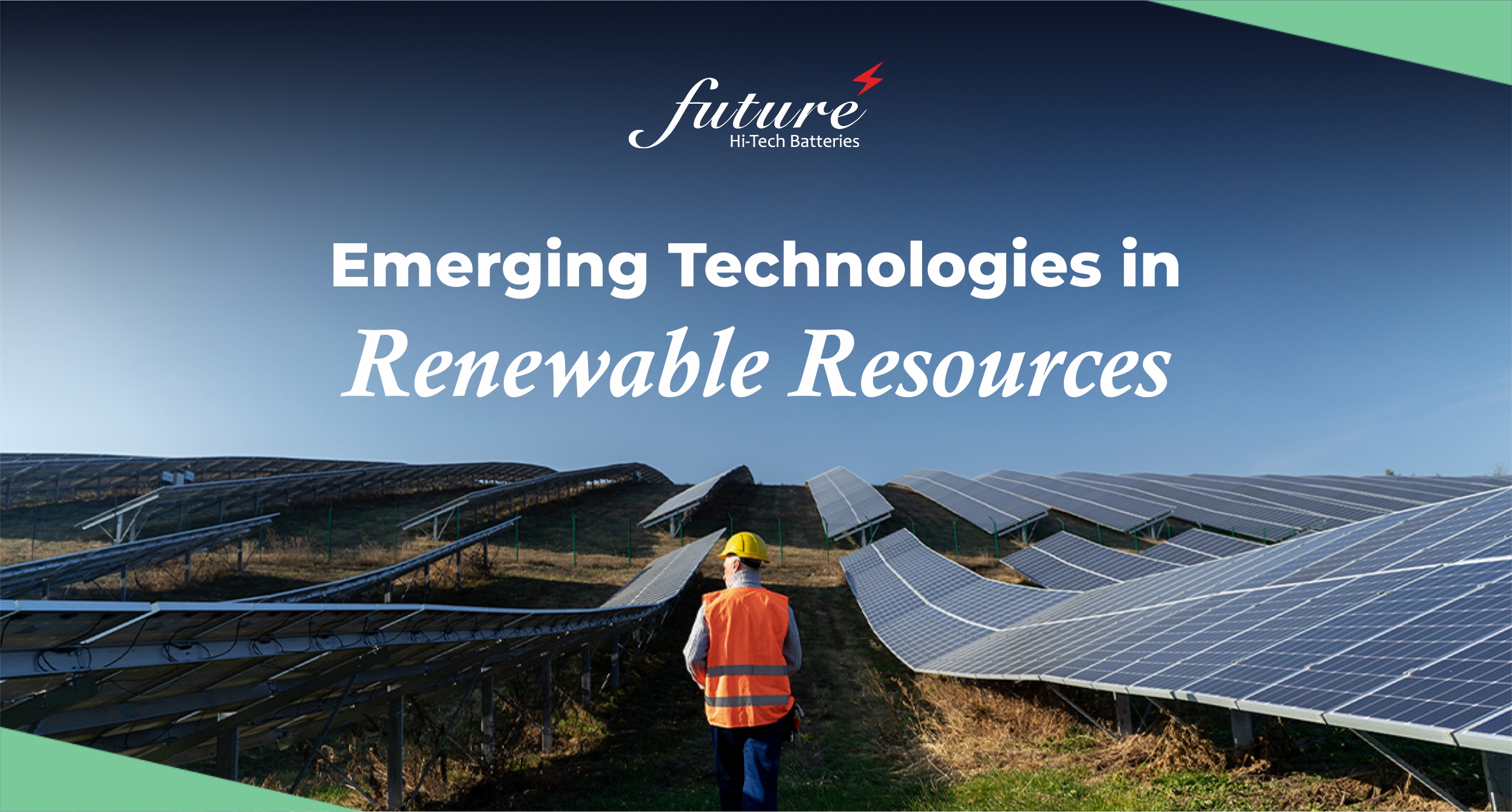
We’ve all seen solar panels on roofs and wind turbines on hillsides, but what’s happening behind the scenes right now is a total game-changer. We can’t control when the sun shines or the wind blows, so we’ve had to get incredibly smart about how we bottle that power for later.
The Grid’s New Best Friend
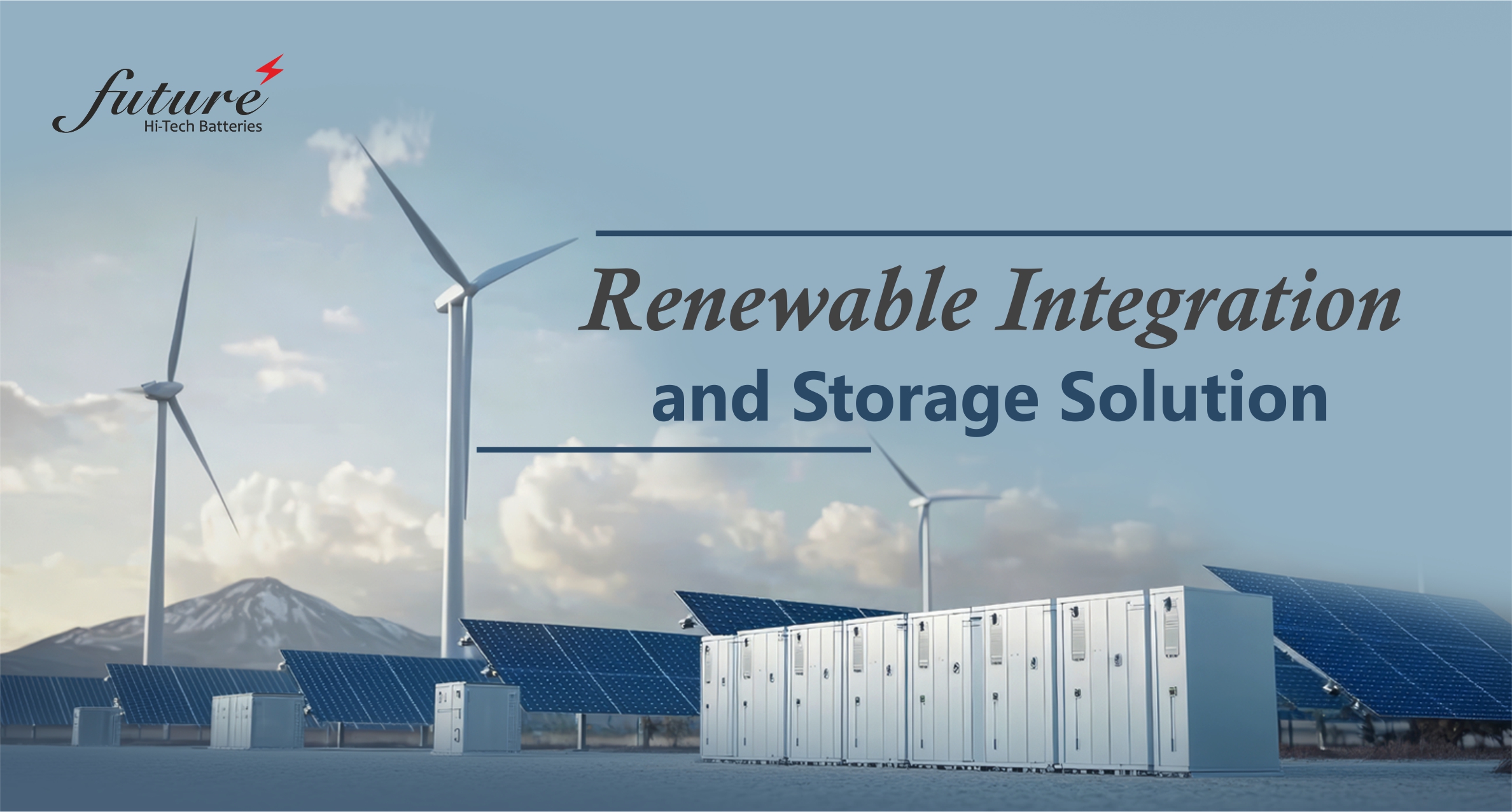
Right now, lithium ion battery packs are the real MVPs of the transition. On a massive scale, these aren’t just batteries; they are giant shock absorbers for the grid. They soak up the extra juice produced during a sunny afternoon and feed it back to the city the moment everyone turns on their AC in the evening.
Cleaning Up the Streets
You can see this same technology working on a much smaller, more personal level too. The emergence of e-rickshaw batteries has quietly revolutionized how people move in crowded cities. These specialized power units aren’t just about saving on fuel; they are providing a blueprint for how we can decarbonize transport without breaking the bank. It’s a proof that clean technology works just as well for a local commute as it does for a national power plant. We’re moving away from the heavy, rigid panels of the past and toward materials that are much more versatile.
The “Magic” of Perovskites
There’s a lot of buzz around Perovskite solar cells, and for good reason. Unlike the silicon panels we’ve used for decades, Perovskites are cheap to make and can actually be “printed” onto surfaces. Imagine a world where your windows, the side of your office building, or even your backpack are constantly generating electricity. We’re getting very close to that reality.
Thinking Outside the Box
We’re also getting more creative with where we put these panels. Bifacial solar panels are a clever tweak—they catch light on both sides by reflecting rays off the ground or snow. Then there’s “floatovoltaics,” where we put solar farms on top of reservoirs. This saves land and uses the water to keep the panels cool, which actually makes them work better. Tapping into the Raw Power of the Ocean While solar is great, the ocean is a relentless, untapped source of energy that never stops moving.
Offshore Wind Goes Deep: Wind turbines are getting taller and more powerful, but the real breakthrough is floating offshore wind. By putting turbines on floating platforms in the deep ocean, we can reach the kind of powerful, steady winds you just don’t get near the shore.
Predicting the Tides
Unlike the weather, tides are 100% predictable years in advance because they’re tied to the moon. New underwater turbines—basically submerged wind towers—and Wave Energy Converters (WECs) are being built to survive the brutal salt-water environment and turn the ocean’s rhythm into a steady stream of electricity.
-
Green Hydrogen: The Long-Term Fix While lithium ion battery packs are perfect for day-to-day needs, we need something bigger for the “hard” stuff, like making steel or fueling a cargo ship.
-
The Science : The nonrenewable resources are our asset, it’s basically our “emergency tank” for the winter when solar and wind might be at their lowest. A Smarter, More “Human” GridFinally, the way we manage all this power is getting a digital brain. It is not just about creating more energy but it is also about utilising hundred percent of it without wastage.
Conclusion
By investing in this diverse toolkit—from the e-rickshaw batteries cleaning up our air to the deep-sea turbines and AI-managed grids—we are doing more than just replacing coal and gas. We are building a completely new way to power our world. This system is robust, clean, and finally, truly sustainable.
Follow us on LinkedIn.


Your Comment Please