
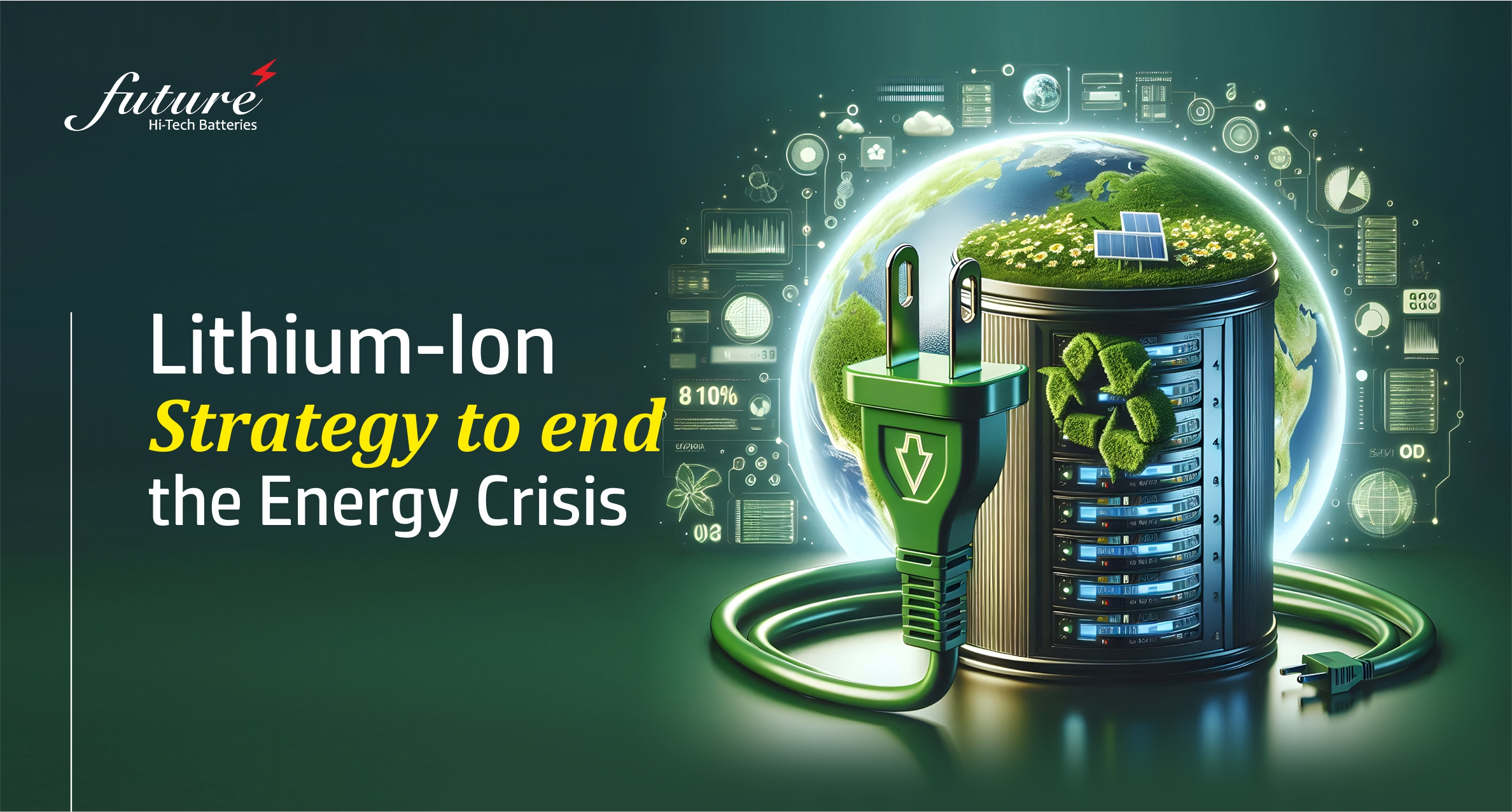
Let’s step away from the technical white papers and the stock market charts for a minute and talk about what’s actually happening. For decades, when we talked about the “energy crisis,” it felt like an abstract, looming monster—something for politicians to argue about or scientists to solve in a lab. But in 2026, that monster is finally being backed into a corner, and the weapon isn’t a futuristic fusion reactor or a magic wand. It’s Lithium-Ion Battery Packs.
Specifically, it’s the lithium-ion battery packs. You probably have one in your pocket right now, keeping your phone alive. But the “strategy” to end the energy crisis isn’t about phones; it’s about the fact that we’ve finally learned how to bottle lightning on a global scale.
The End of the “Waiting Game”
For a long time, renewable energy had a PR problem. People called it “intermittent,” which is a fancy way of saying it’s unreliable. “The sun doesn’t shine at night,” critics would say, “and the wind doesn’t blow on command.” And they were right. That was the wall we hit. We could generate clean energy, but we couldn’t keep it. We were like farmers who could grow a massive harvest but had no barn to store the grain; if we didn’t eat it the day it was picked, it went to waste.
Lithium-ion battery packs technology is the barn.
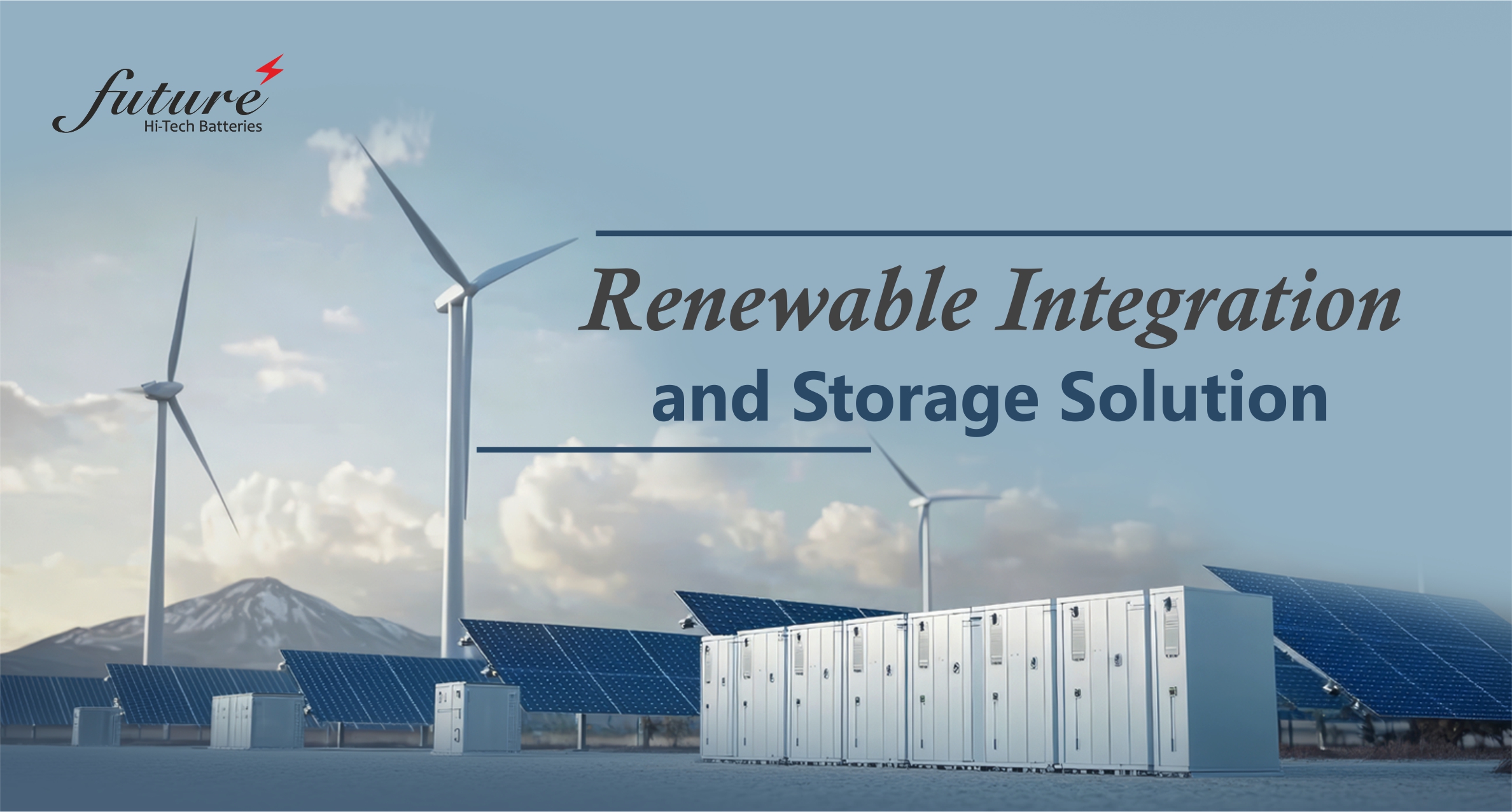
By 2026, the strategy has shifted from just making energy to holding it. We’ve reached a point where we can capture the roaring midday sun in the deserts or the midnight gusts on the coast and save them for when everyone is turning on their coffee makers and starting their computers. This isn’t just a technical achievement; it’s a psychological shift. For the first time in human history, we are breaking our dependence on “burning stuff” the moment we need heat or light.
Turning Houses into Power Plants
One of the major outcome of this strategy is how it is moving power away from massive, faceless corporations and getting back into our own garages.
A few years ago, having a backup battery in your home was a luxury for tech enthusiasts or people living off the grid. Today, it is becoming a necessity of integral part of a modern home, like a water heater. This changes the “human” experience of energy. If the grid gets stressed because of a heatwave, your house doesn’t just sit there as a victim of a blackout. Your wall-mounted battery kicks in.
We’re seeing the rise of “Virtual Power Plants.” This is where thousands of neighbors agree to let the city “borrow” a little bit of their stored battery power during peak hours to keep the whole town running. You’re not just a consumer anymore; you’re part of the solution. You’re helping your neighbor keep their lights on without a coal plant having to ramp up its smokestacks. It’s a community-based approach to energy that we’ve never seen before.
The Commute Without the Guilt
Then there’s the way we move. We’ve all felt that twinge of “gas station anxiety”—watching the prices on the sign climb every time there’s a conflict on the other side of the world. Lithium ion batteries packs are effectively decoupling our morning commute from global geopolitics.
In 2026, we already see lithium-ion battery packs powering everything from the delivery vans bringing your packages to the school buses carrying your kids. When a bus fleet goes electric, it isn’t just about “carbon footprints.” It’s about the fact that the kids aren’t breathing in diesel fumes at the stop. It’s about the quiet in the neighborhood. It’s about the fact that the school district’s budget isn’t getting wrecked because oil prices spiked. That is how you solve an energy crisis—by making it a non-issue in daily life.
Addressing the Elephant in the Room: The “Dirty” Side of Lithium Ion Battery Packs
Being honest is essential to keep it real & human, we have to be honest. For a long time, the lithium-ion story had a dark side: mining. We’ve all seen the photos of dusty mines and heard the concerns about where these materials come from. A real strategy to end an energy crisis can’t just move the crisis from a “fuel” problem to a “metal” problem.
The 2026 strategy is finally tackling this head-on through Circular Thinking. We are certainly rewriting the new ways of digging, using and recycling the energy.
• Recycling is the new Mining: We’ve realized that a dead battery is actually a goldmine. The lithium, cobalt, and nickel inside don’t just disappear; they are still there, perfectly preserved. New recycling centers are opening that can recover almost 100% of these materials.
• Ethical Sourcing: Because the world is watching, there’s a massive push for “battery passports”—digital tags that show exactly which mine your battery came from and that the workers were treated fairly.
We’re learning that to truly solve the energy crisis, we have to respect the people and the earth at both ends of the wire.
Why This is Working Now
You might ask: Why didn’t we do this ten years ago?
The answer is that initially, we needed to get the price down and of course it was a learning experience which unfolded the challenges, benefits & discovered with passage of time. In the last decade, the cost of lithium-ion batteries has dropped by nearly 90%. It’s the same thing that happened with computers and flat-screen TVs. Once the technology became affordable, it became inevitable.
In 2026, it is officially cheaper to build a giant battery farm than it is to keep an old, dirty coal plant running. When the “green” choice becomes the “cheap” choice, the crisis starts to end. “Money talks”, and right now, it is screaming for batteries.
The Road Ahead: A Bit of Hope with Lithium-Ion Battery Packs
The energy crisis always felt like an impossible weight—a problem too big for any one person to solve. But the lithium-ion strategy breaks that big problem down into small, manageable pieces.
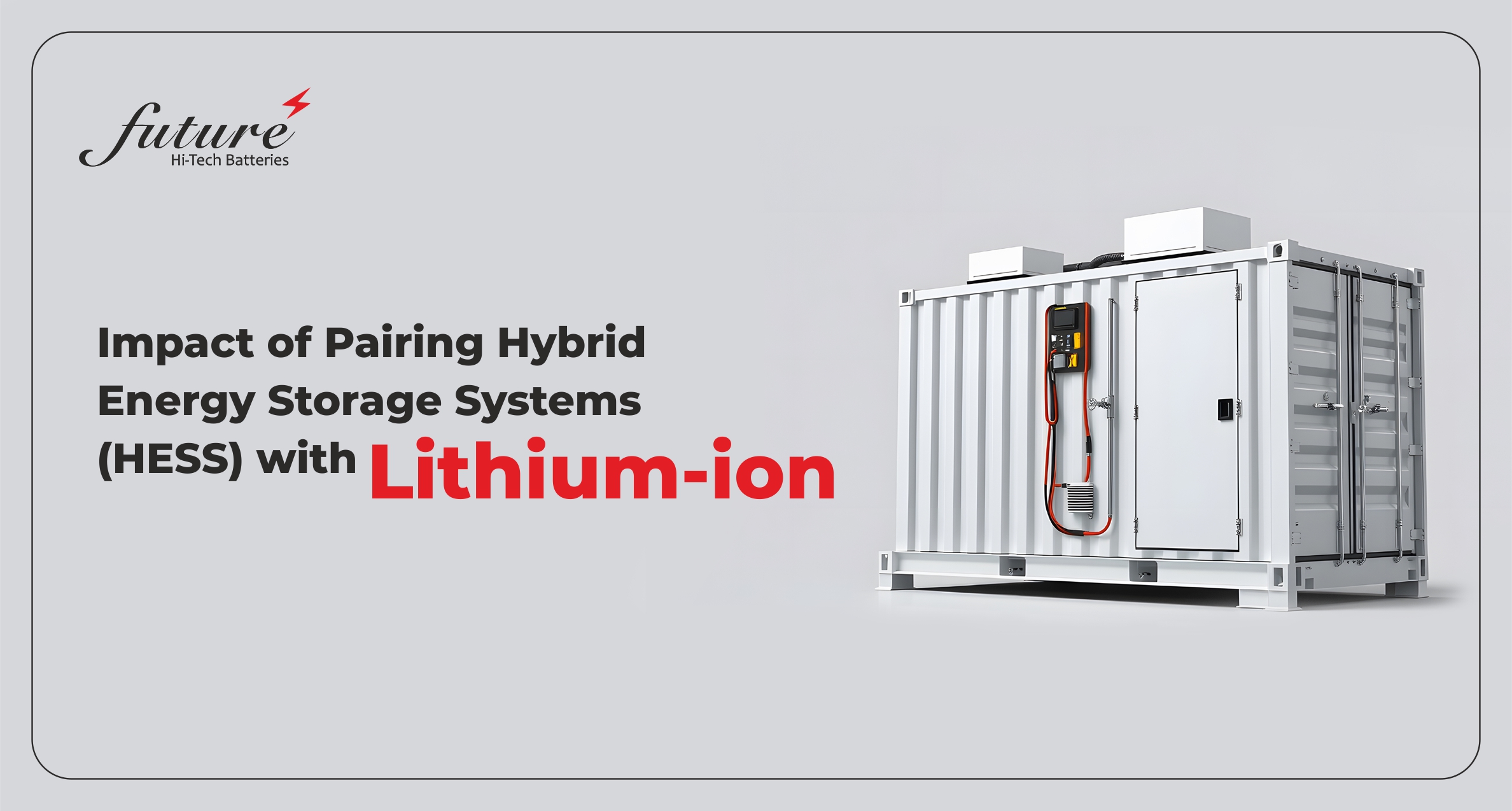
Now it’s a battery in your car. A battery on your wall and a battery container at the edge of town, thus the batteries around us.
By spreading the “storage” everywhere, we make the whole system more resilient. We make it so that a storm at one place or a war in another doesn’t mean we can’t cook dinner or charge our tools.
Is lithium-ion the final answer? May be not. We’re already looking at solid-state batteries and other chemistries for the next thirty years. But right now, lithium-ion is the answer to the problem, so it is the workhorse. It’s the tool that is finally allowing just not only & talk about a clean energy future but to start living in one.
We’re finally learning to live off the “interest” of the planet (the sun and wind) rather than digging into its “savings” (fossil fuels). And that might be the most important strategy of all. It’s not just about saving energy; it’s about giving ourselves the freedom to keep moving forward without looking back at the smoke.
Follow us on LinkedIn.



Your Comment Please