
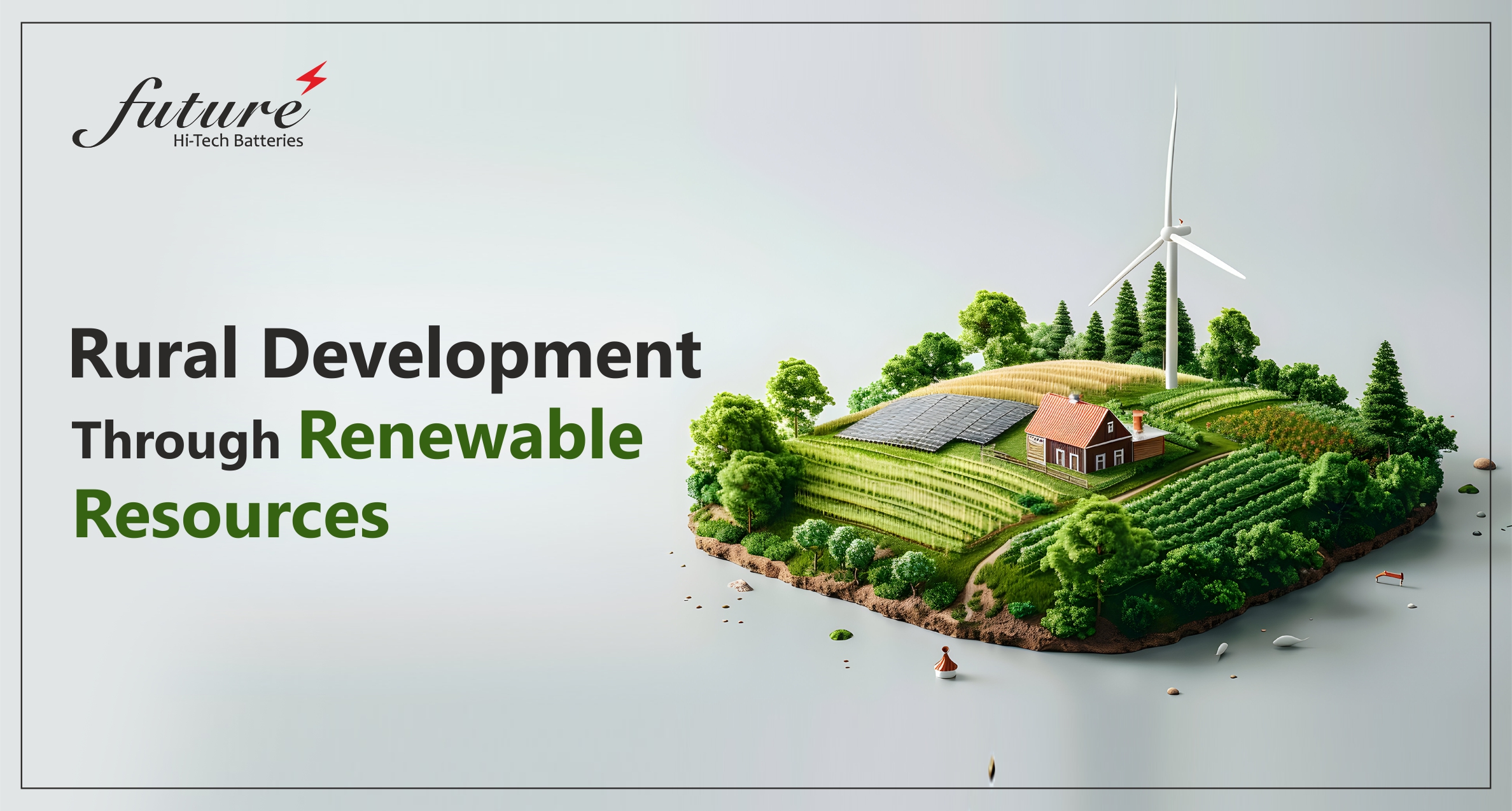
When people think of renewable energy, they often imagine vast utility-scale farms or solar panels atop urban skyscrapers. However, the true potential of clean energy lies not in cities, but in rural regions. In these areas, renewable energy is not only a tool for combating climate change. It is a powerful solution to fundamental challenges related to poverty, education, and health. At the heart of this transformation are efficient energy storage solutions such as lithium ion battery packs. They make decentralized renewable systems reliable and practical.
For nearly a billion people living outside major cities, access to a traditional electrical grid is not merely a distant dream—it is an impractical and costly one. Extending centralized fossil-fuel-based power systems across sparsely populated regions requires long transmission lines that are expensive, inefficient, and prone to failure, especially in the final mile. In contrast, decentralized renewable energy systems supported by lithium ion battery packs allow electricity to be generated, stored, and used locally, eliminating the need for complex infrastructure.
Contribution of Renewable Energy
One of the most immediate and impactful contributions of renewable energy to rural development is access to lighting. Families without grid electricity often rely on kerosene lamps, which are smoky, hazardous, and expensive. These lamps contribute to respiratory illnesses and pose serious fire risks. Replacing them with solar home systems integrated with lithium ion battery packs enables safe, clean, and reliable lighting even after sunset, creating an overnight transformation in living conditions.
Benefits of Lithium Ion Battery Packs
The benefits extend far beyond illumination. With dependable energy storage through lithium ion batteries, children can study at night and adults can extend working hours for cottage industries. Even minimal electricity—sufficient to power an LED lamp and charge a mobile phone—can connect previously isolated communities to the outside world. Stored energy ensures uninterrupted power for communication devices and emergency needs, which are essential for social inclusion and safety.
Rural development is not only about light; it is also about livelihoods. Renewable energy systems combined with lithium ion battery packs create economic opportunities where few previously existed. Solar-powered water pumps backed by reliable battery storage allow farmers to irrigate fields independently of rainfall. This results in consistent yields, multiple cropping cycles, and reduced vulnerability to droughts and famine. Access to clean, pumped water also improves sanitation and overall community health.
Renewable Energy & Micro-Enterprises
Renewable energy further supports the growth of micro-enterprises. Community centers, local shops, and small-scale manufacturing units—such as grain milling or woodworking—can operate efficiently using micro-grids equipped with lithium ion batteries. These battery systems ensure continuous power supply, enabling value-added processing to occur within the village and allowing wealth to remain in the local economy.
One of the greatest advantages of renewable systems using lithium ion battery packs is scalability. These solutions do not require massive government-led infrastructure projects. Instead, local technicians and entrepreneurs can install, operate, and maintain systems where they are most needed. This localized ownership builds accountability and long-term sustainability compared to externally managed power projects.
Challenges with Lithium Ion Battery Packs
Despite these benefits, challenges remain. The most significant barriers are financial and human-resource-related. The upfront cost of solar installations and lithium ion battery packs can be prohibitive for low-income households. Addressing this requires innovative financing options such as microloans, government subsidies, and community cooperatives that make clean energy accessible and affordable.
Maintenance is another critical factor. Although lithium ion batteries are known for their long life and efficiency, they still require skilled handling and periodic monitoring. Investing in local training programs is essential to develop technicians who can manage battery systems, inverters, and micro-grids effectively. Building this local expertise ensures uninterrupted power and long-term success.
Conclusion
Renewable energy powered by lithium ion battery packs has the potential to redefine rural development. By providing reliable electricity, enabling economic growth, improving health and education, and fostering local ownership, these energy storage solutions empower communities to build a sustainable future. When combined with proper financing and skill development, lithium ion battery technology becomes not just an energy solution, but a catalyst for inclusive and lasting rural transformation.
Follow us on LinkedIn.



Your Comment Please